Blades of the Guardians (2026)
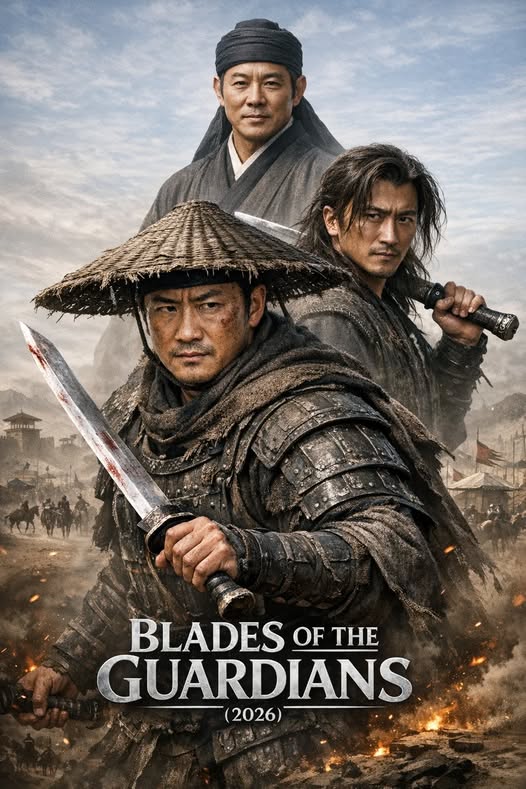
Honor isn’t a crown here—it’s a chain you drag through the mud until it breaks you or you break first.
Wu Jing becomes Dao Ma Ren in a performance that feels carved from real scars: a weathered escort master whose every measured step echoes discipline, whose every glance carries the weight of ghosts he can’t outrun. A routine protection gig—guarding a child who unknowingly holds the last fragile thread of a dying dynasty—quickly unravels into a brutal odyssey across blood-soaked roads. Ambushes erupt without warning, warlords torch villages for sport, betrayals slice deeper than any blade, and every choice leaves another permanent mark. Nicholas Tse burns with conflicted fury, Tony Leung Ka-fai radiates cold, quiet menace that chills the screen, Zhang Jin delivers blade work like lethal calligraphy, Jet Li’s cameo lands like a thunderclap from legend, Yu Shi brings raw youthful fire, and Kara Wai shatters hearts with wordless devastation.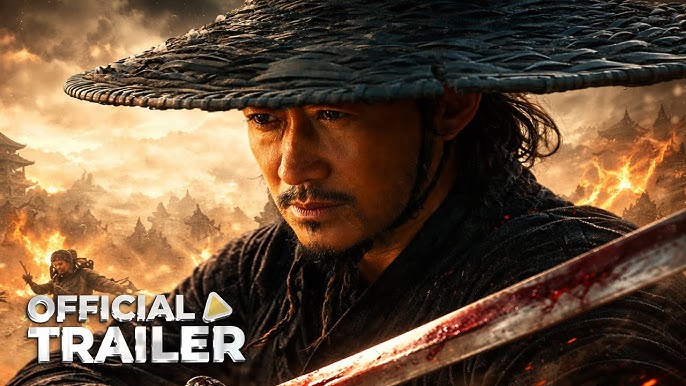
The fights refuse fantasy flourishes—no wires, no impossible leaps—just vicious, grounded realism: steel scraping bone in suffocating close quarters, hand-to-hand that weaponizes exhaustion itself, every block costing breath, every strike carving consequences. The camera refuses to look away from the toll: sweat and blood mixing on trembling hands, war-ravaged hills under ash-gray skies heavy with regret. The score—low, mournful strings and funeral percussion—wraps the whole thing in sorrow, making loyalty feel like the most expensive currency left.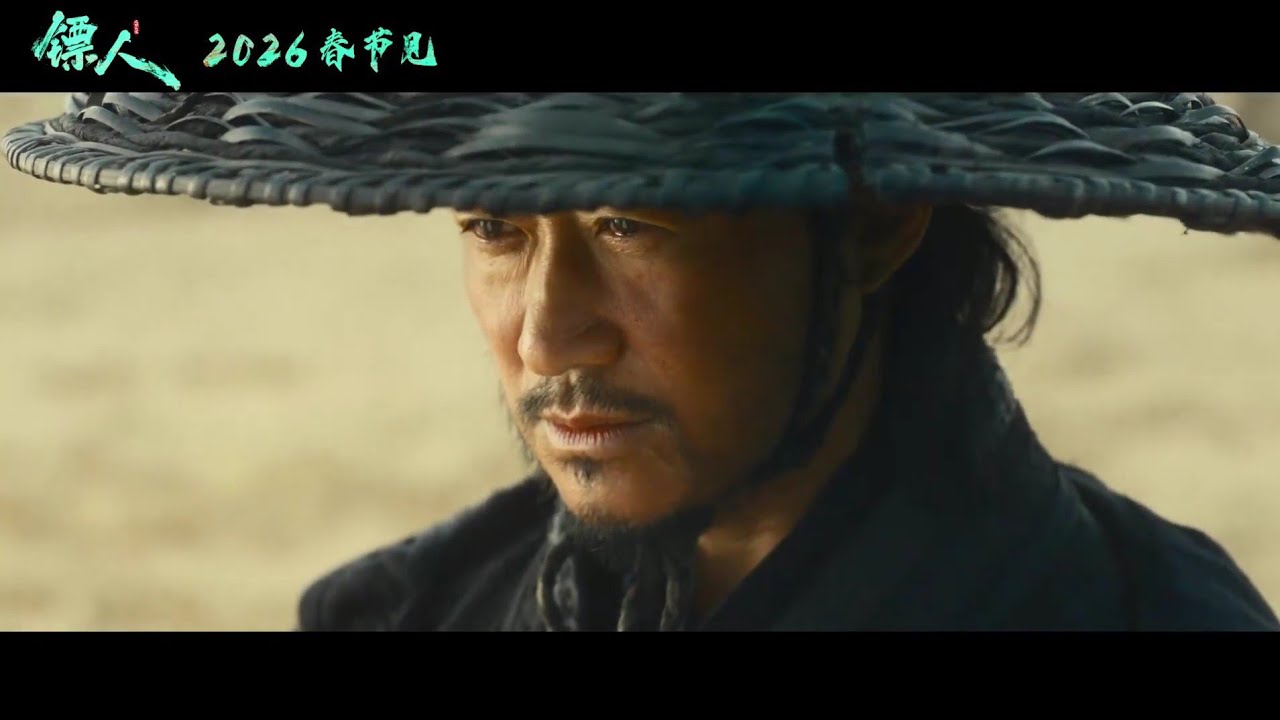
It breathes slow and deliberate in places, letting silence and grief settle before the next storm hits. But when the violence comes, it lands with devastating emotional, physical, and spiritual force. This isn’t glory or triumph; it’s a stark, tragic meditation on what honor truly costs when the world has already sold its soul. Wu Jing shoulders the film like a man who knows the road ends in dust—and still keeps walking.
Related Movies: