Federal Immigration Enforcement in Minneapolis Has Sparked National Controversy.hl
Federal Immigration Enforcement in Minneapolis Has Sparked National Controversy
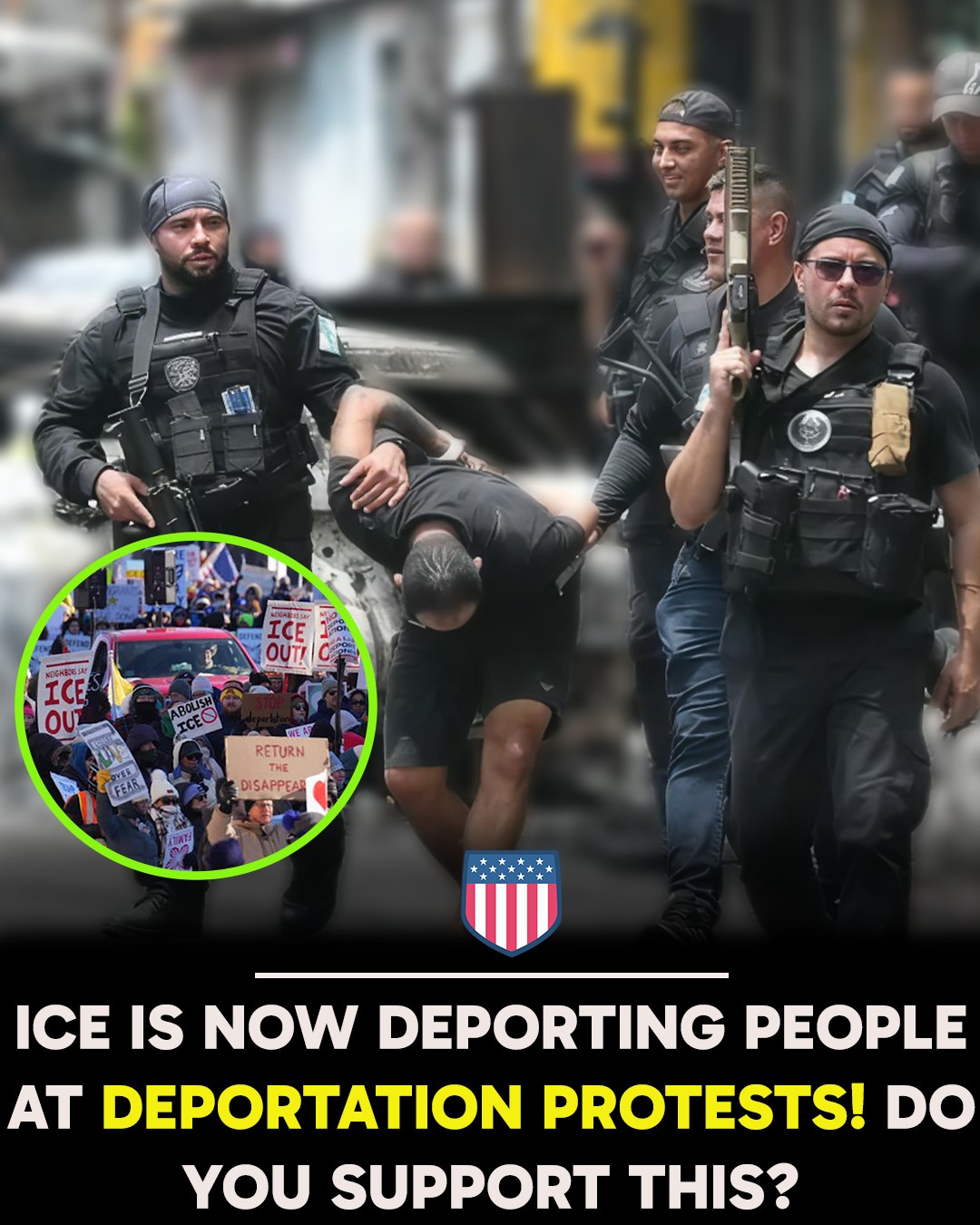
Federal authorities have sharply escalated immigration enforcement under Operation Metro Surge, a major Department of Homeland Security initiative that has deployed thousands of agents from ICE (Immigration and Customs Enforcement) and CBP (Customs and Border Protection) to the Minneapolis–Saint Paul area. The government has described the operation as the largest immigration enforcement effort in U.S. history, aimed at detaining and deporting undocumented immigrants while addressing alleged fraud.
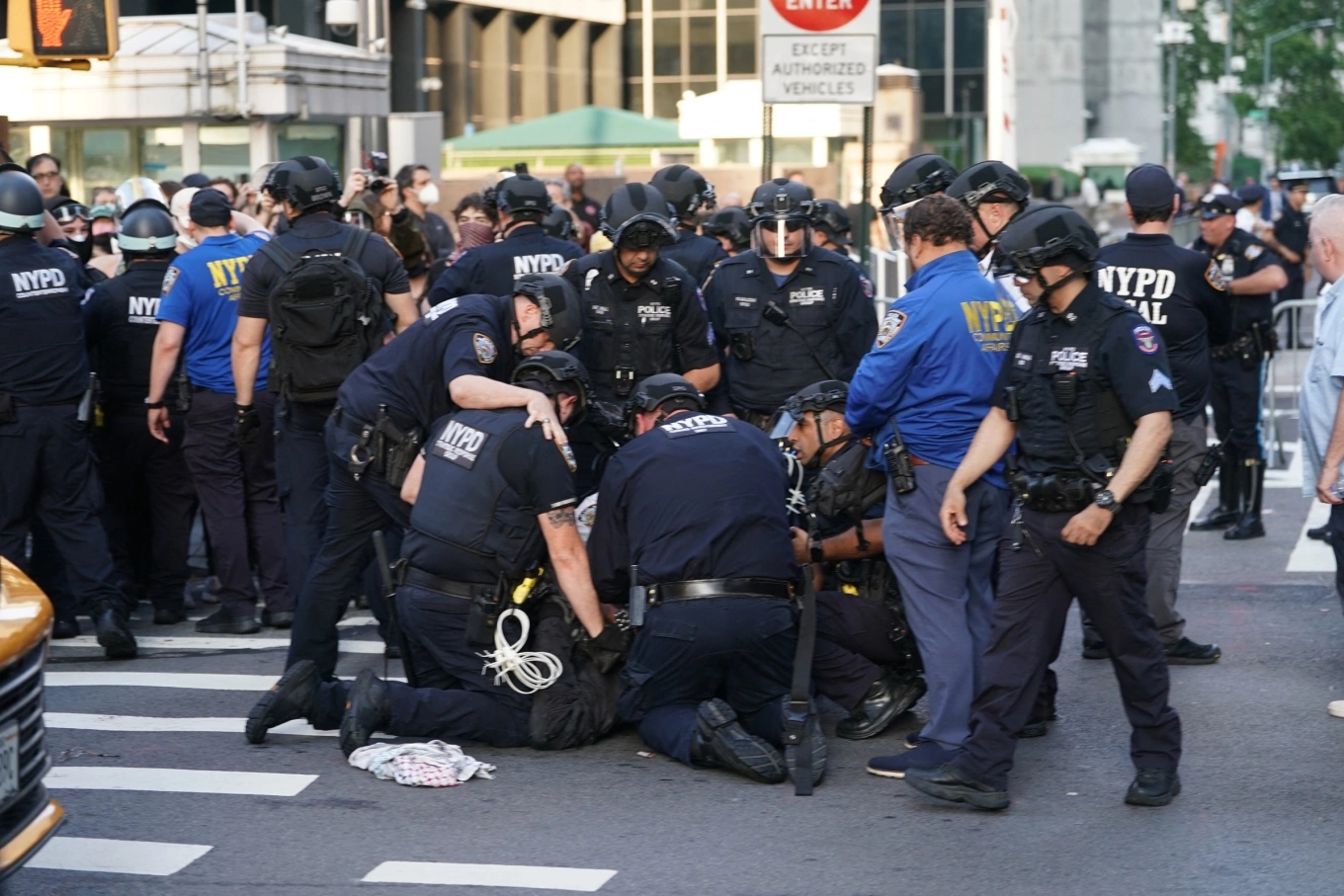
Supporters frame the surge as a straightforward application of federal law, arguing immigration statutes should be enforced regardless of local policies. DHS reports thousands of arrests and says the mission also targets individuals with criminal convictions.
The operation has triggered intense backlash and constitutional debate. Local leaders and civil rights advocates contend the effort has escalated into aggressive, militarized tactics that violate civil liberties. Multiple fatal shootings involving ICE officers — including the deaths of U.S. citizens Renée Good and Alex Pretti — have intensified protests and criticism over the use of federal force in civilian communities.
Protests and legal challenges are ongoing, with critics arguing Operation Metro Surge disrupts daily life, harms businesses, and erodes trust in law enforcement. A federal judge has already restricted certain tactics, ruling that agents may not retaliate against peaceful protesters and observers — underscoring concerns about free speech and civil rights.
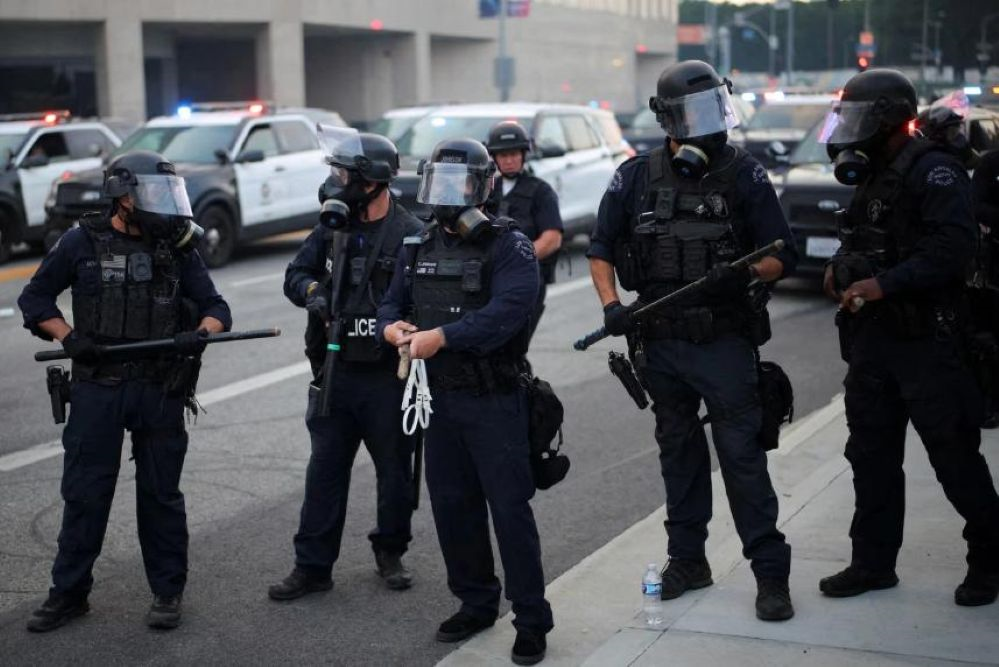
The situation remains highly contentious, drawing national attention and deepening the debate over immigration enforcement, federal authority versus local sovereignty, and how civil liberties are protected during large-scale operations