Should Hillary Clinton Be Prosecuted for the 2012 Benghazi Attack?
- LongVo
- February 12, 2026
Should Hillary Clinton Be Prosecuted for the 2012 Benghazi Attack?
The September 11, 2012 attack on U.S. diplomatic facilities in Benghazi, Libya, remains one of the most controversial foreign-policy events of the last decade. The assault killed four Americans, including U.S. Ambassador J. Christopher Stevens, and quickly became a political flashpoint in the United States. At the center of the debate was then–Secretary of State Hillary Clinton, whose role in the events before, during, and after the attack has been examined repeatedly.
More than a decade later, the question still surfaces in political discussions: Should Hillary Clinton have been prosecuted for Benghazi? To answer that, it is important to look at the facts, the investigations, and the legal standards involved.
The attack and its aftermath
On the night of September 11, 2012, heavily armed militants attacked a U.S. diplomatic compound in Benghazi. The assault later spread to a nearby CIA annex, where two additional Americans were killed. The incident unfolded in a chaotic security environment in post-revolution Libya, where militias and extremist groups operated with little centralized control.
In the days after the attack, confusion over what had triggered the violence led to conflicting public statements from U.S. officials. Some early explanations suggested the attack grew out of protests, while later investigations concluded it was a coordinated terrorist assault. This shift fueled criticism from political opponents, who argued the administration had misled the public.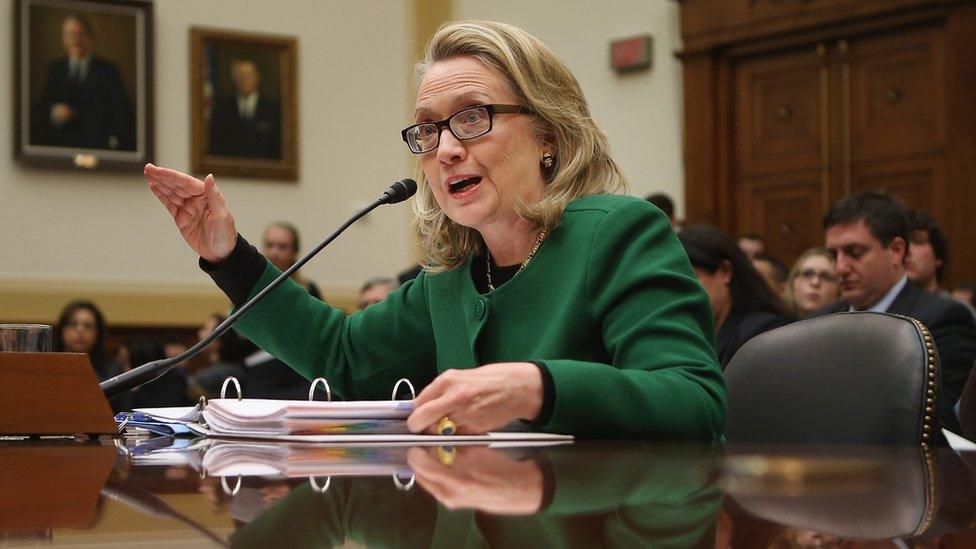
Investigations into Clinton’s role
The Benghazi attack prompted numerous investigations by government agencies and congressional committees. These inquiries examined security decisions before the attack, intelligence warnings, the military response, and public statements made afterward.
Investigators found serious security shortcomings at the Benghazi compound and broader systemic problems within the State Department’s diplomatic security apparatus. Several reports concluded that the security situation in eastern Libya had deteriorated significantly in the months leading up to the attack, and that more could have been done to address the risks.
However, across these investigations, no evidence was found that Hillary Clinton had personally ordered or ignored specific security decisions that directly led to the attack. Reviews generally described the failures as institutional and bureaucratic rather than the result of criminal conduct by a single official.
The final congressional report on Benghazi, released after years of hearings and document reviews, did not recommend criminal charges against Clinton. It criticized aspects of the State Department’s handling of security and communication, but did not conclude that she had committed a crime.
Legal standards for prosecution
For a criminal case to move forward, prosecutors must show that a specific law was broken and that the accused had the required criminal intent. In cases involving government officials, this often means proving that the person knowingly violated a statute or acted with willful negligence that caused harm.
In the Benghazi case, investigators did not find evidence that Clinton intentionally ignored credible threats or knowingly violated security laws. While reports identified mistakes and management failures, those findings did not meet the legal threshold required for criminal charges.
As a result, no prosecutor filed charges against her related to the attack.
Civil lawsuits and political fallout
Some family members of the victims filed civil lawsuits, arguing that negligence contributed to the deaths of their loved ones. Civil cases have a lower standard of proof than criminal trials and are separate from government prosecutions. These lawsuits were part of the broader legal and political fallout but did not result in criminal findings against Clinton.
Politically, Benghazi became a defining issue in U.S. partisan debates, especially during the 2016 presidential election. Critics argued that Clinton bore responsibility as head of the State Department, while supporters pointed to the repeated investigations that found no criminal wrongdoing.
Clinton’s response
Clinton publicly accepted responsibility as the leader of the department at the time of the attack, acknowledging that security failures had occurred. At the same time, she maintained that she had not personally handled day-to-day security requests for the Benghazi post and had not been warned of specific imminent threats.
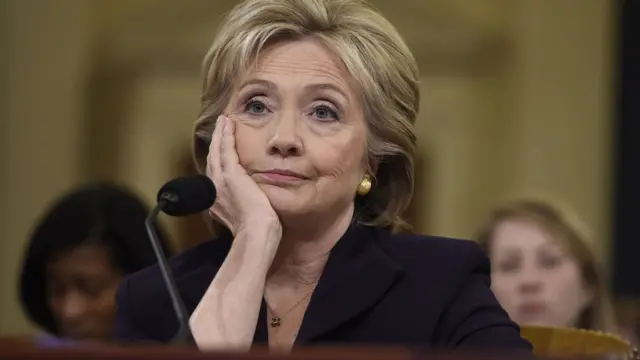
Her testimony before Congress, including hours of questioning during public hearings, became one of the most widely watched political events of that period.
Conclusion
The question of whether Hillary Clinton should have been prosecuted is ultimately a political and personal opinion. From a legal standpoint, however, the outcome is clear. Multiple investigations—spanning several years, political parties, and government agencies—did not find evidence that she committed a crime related to the Benghazi attack.
Because no criminal wrongdoing was established, no charges were filed, and no prosecution ever took place.
The Benghazi attack remains a tragic chapter in U.S. diplomatic history, and debates about responsibility continue. But in legal terms, the case against Hillary Clinton was investigated extensively and did not lead to criminal action.