The Trump administration is looking to roll out a national voter ID law requiring ID to vote in all 50 states and every election
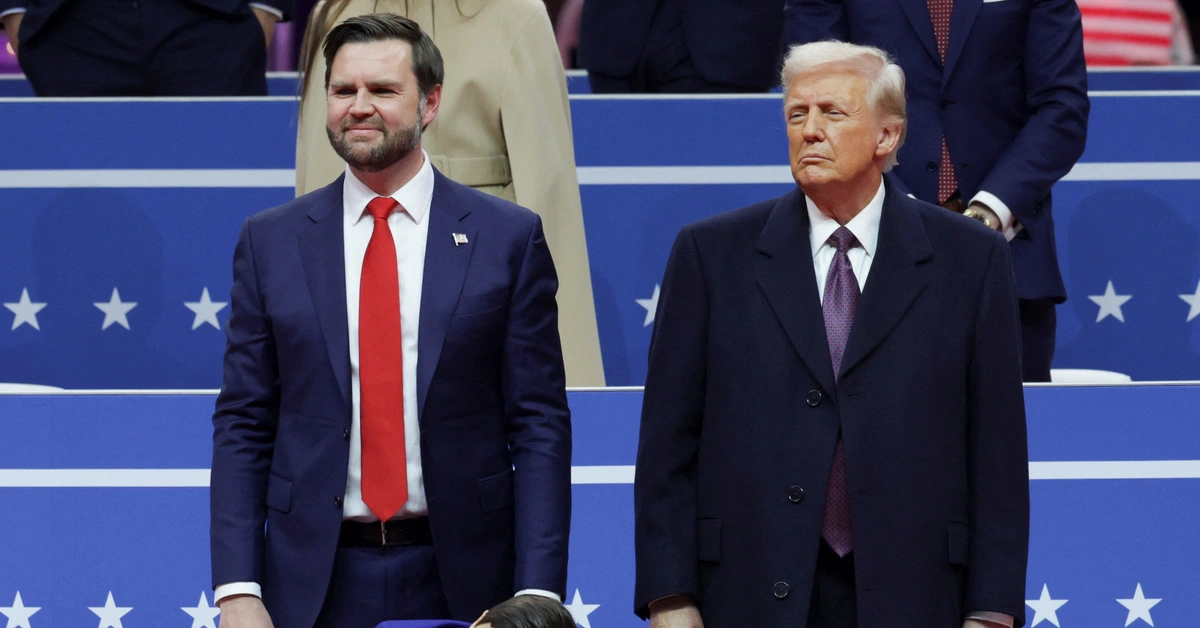
In early 2026, the debate over a national voter ID law has moved from political rhetoric to the halls of Congress. The Trump administration is currently championing the SAVE America Act (Safeguard American Voter Eligibility), a piece of legislation that would fundamentally change how federal elections are conducted in all 50 states.

The Proposal: Nationalizing Voter ID
The core of the current push is to move beyond the patchwork of state-level rules and establish a single federal standard for federal elections.
-
Documentary Proof of Citizenship (DPOC): For the first time, individuals would be required to provide physical proof of U.S. citizenship (such as a passport or birth certificate) when registering to vote.
-
Photo ID Requirement: Voters would be required to present a government-issued photo ID to cast a ballot, whether in person or by mail.
-
The “Midterm Push”: The administration has expressed an urgent desire to have these rules in place before the 2026 Midterm Elections, arguing they are essential to preventing non-citizen voting and fraud.
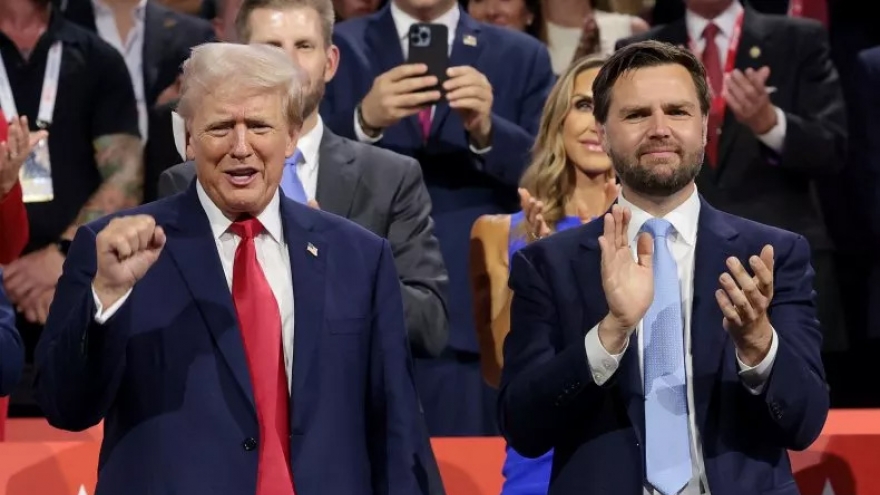
The Debate: Security vs. Accessibility
The proposal has divided the country along familiar lines, with both sides citing data to support their claims.
The Case for “YES” (Security & Integrity)
Supporters argue that a national standard is the only way to ensure public confidence in election results.
-
Broad Popularity: Recent polls indicate that over 80% of Americans (including a majority of both Republicans and Democrats) support some form of photo ID requirement for voting.
-
Standardization: Supporters argue that the current system is confusing and that one clear rule for the entire country would simplify the process for voters and election officials alike.
-
Deterrence: While non-citizen voting is statistically rare, proponents argue that the possibility of it undermines the perceived legitimacy of elections.

The Case for “NO” (Access & Disenfranchisement)
Critics argue that the law is a solution in search of a problem and would block millions of legitimate voters.
-
Lack of Documents: The Brennan Center for Justice estimates that over 21 million American citizens lack immediate access to a birth certificate or passport.
-
Administrative Burden: Election experts warn that requiring name-change documentation (like marriage certificates) for voters whose current IDs don’t match their birth certificates would disproportionately affect women.
-
Federalism Concerns: Many states argue that under the Constitution, they have the primary right to manage their own elections, and a federal mandate oversteps that authority.
Current Status and Legal Hurdles
While the bill has gained traction in the Republican-controlled House, it faces a steep climb in the Senate, where Democrats have pledged to filibuster it, calling it “unnecessary” and “restrictive.”
Furthermore, the administration’s executive orders on this topic have already faced challenges in federal courts, with judges in several states issuing injunctions against the immediate implementation of citizenship-proof requirements.