Record Coral Bleaching Event Followed by Even More Extreme Ocean Heat
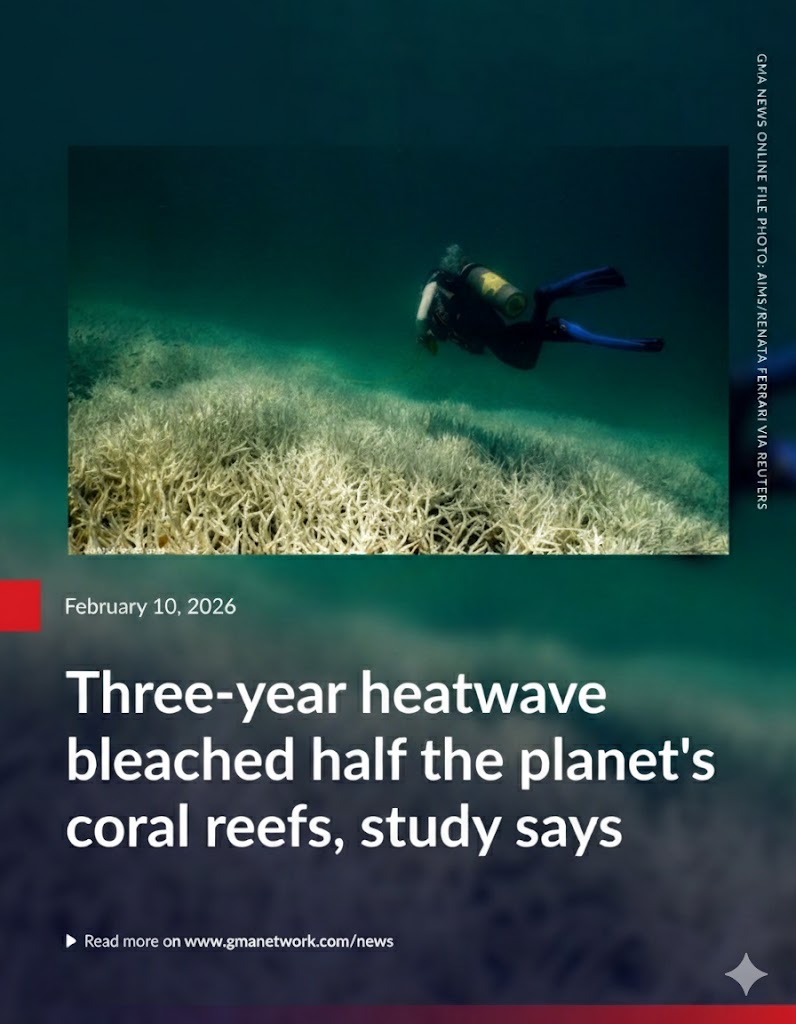
A major scientific study has confirmed that the 2014–2017 coral bleaching episode was the most severe and widespread ever recorded, affecting more than half of the world’s coral reefs. The findings highlight the scale of stress placed on marine ecosystems during that period, as prolonged ocean heatwaves caused corals to expel the symbiotic algae essential to their survival.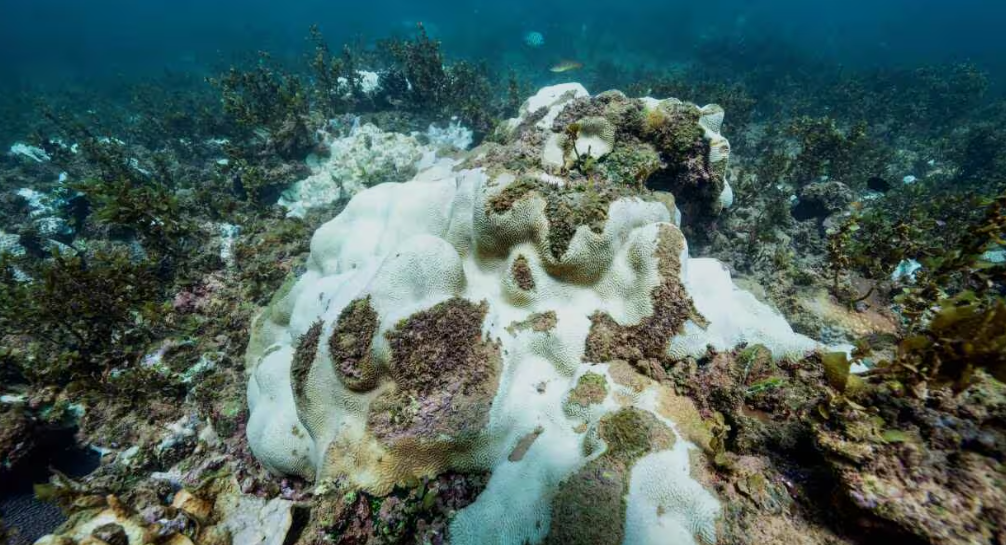
Coral bleaching occurs when rising sea temperatures disrupt the delicate balance between corals and the microscopic algae that provide them with nutrients and vibrant color. Without these algae, corals turn white and become significantly more vulnerable to disease and death.
Researchers describe the 2014–2017 event as unprecedented in geographic reach and duration. However, scientists now warn that more recent marine heatwaves are exceeding previous temperature extremes, placing additional strain on already weakened reef systems.
Coral reefs support approximately 25% of marine life and provide critical economic benefits to millions of people worldwide through fisheries, tourism, and coastal protection. Continued warming of the oceans poses serious risks not only to biodiversity but also to communities that depend on reef ecosystems.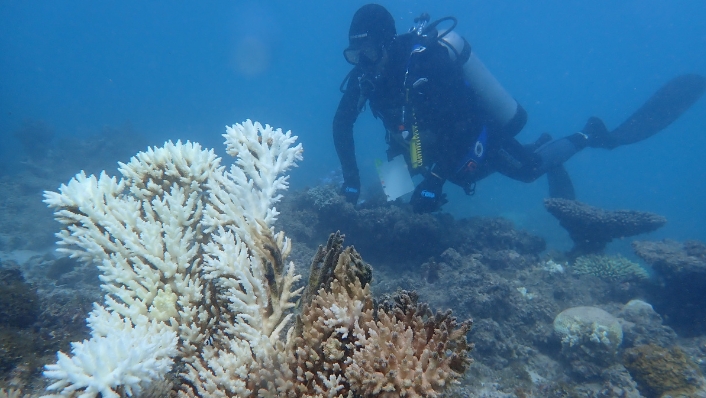
Experts stress that reducing global greenhouse gas emissions and improving local reef management practices are key steps in mitigating further damage. As ocean temperatures continue to rise, the resilience of coral reefs remains one of the most pressing environmental concerns of our time.