The Epstein Files, and sworn testimony to US federal prosecutors
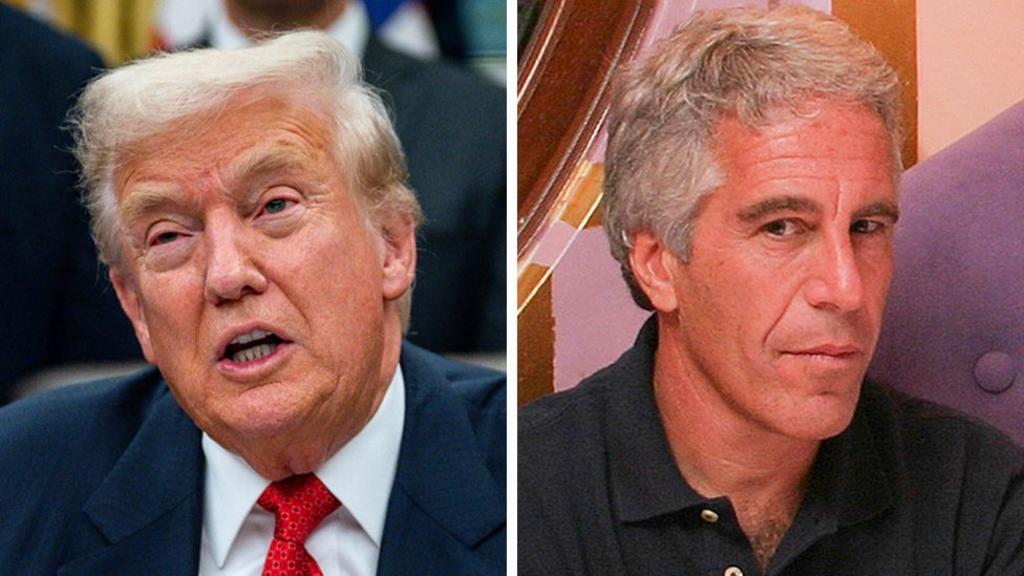
The Epstein Files and Sworn Testimony to U.S. Federal Prosecutors
The so-called “Epstein Files” continue to generate national and international attention, as court documents, sealed records, and sworn testimony given to U.S. federal prosecutors remain central to ongoing legal and public scrutiny.
The files broadly refer to investigative materials connected to Jeffrey Epstein’s criminal cases, including witness statements, flight logs, financial records, email exchanges, and depositions collected over multiple federal investigations. Portions of these materials have been unsealed over time through court orders, while other records remain sealed due to privacy concerns, ongoing legal matters, or the protection of victims.
Sworn testimony provided to federal prosecutors has played a critical role in shaping the government’s understanding of Epstein’s network. Such testimony, given under oath, carries legal consequences if proven false and is often used to determine whether additional charges or co-conspirator cases are warranted. Legal analysts note that grand jury proceedings, however, are typically confidential, limiting what can be publicly disclosed.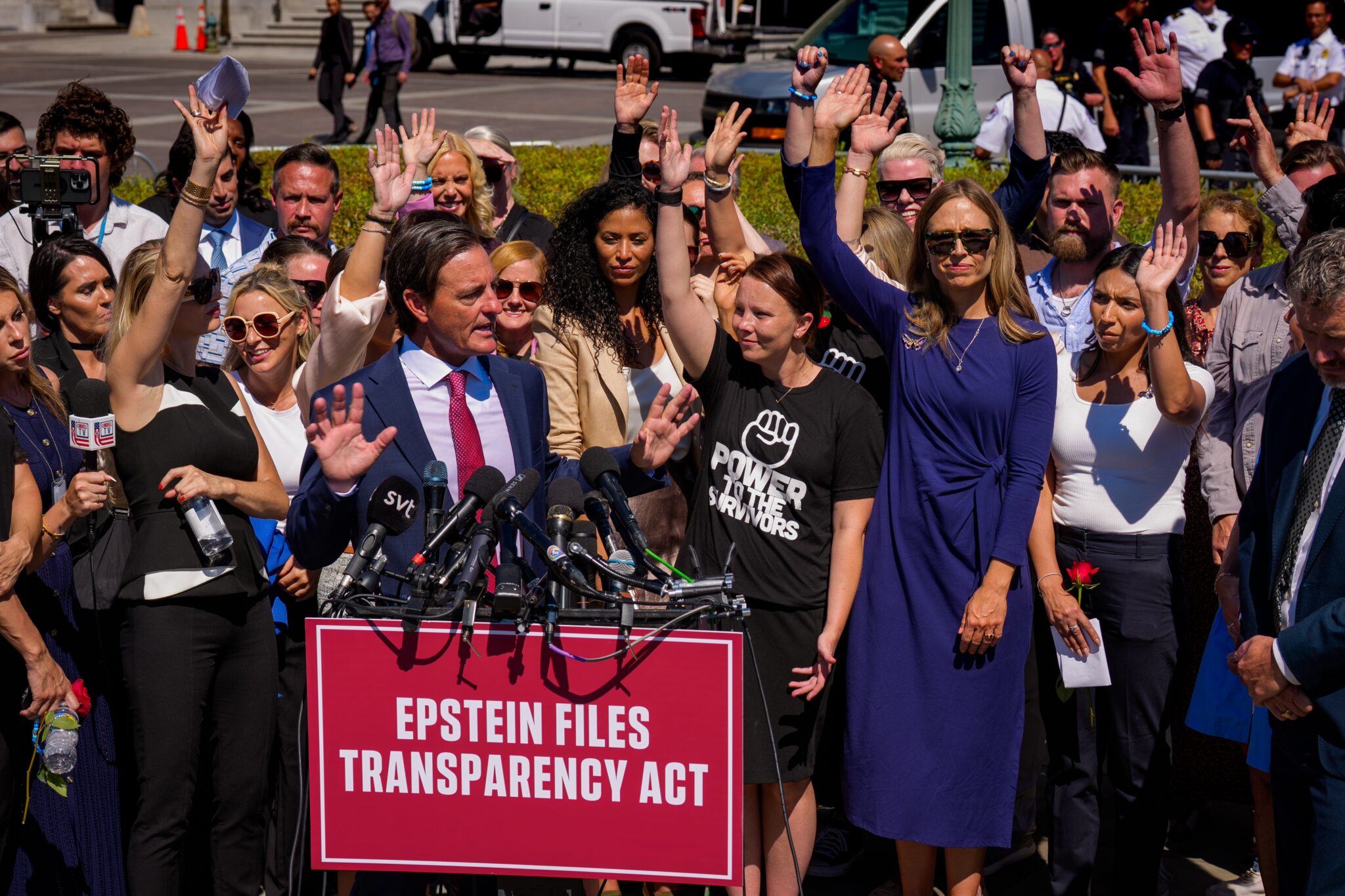
The renewed interest in these records stems from continuing civil lawsuits, congressional inquiries, and public demands for transparency regarding who may have been involved or aware of Epstein’s activities. While some documents have clarified timelines and associations, many questions remain the subject of legal debate.
Authorities emphasize that any allegations must be supported by verified evidence and due process, as investigations and related proceedings continue