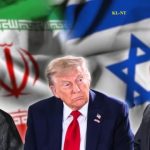
Recent protests have ignited a heated debate over whether certain marches—especially those held without permits or that block major roads should be allowed to continue
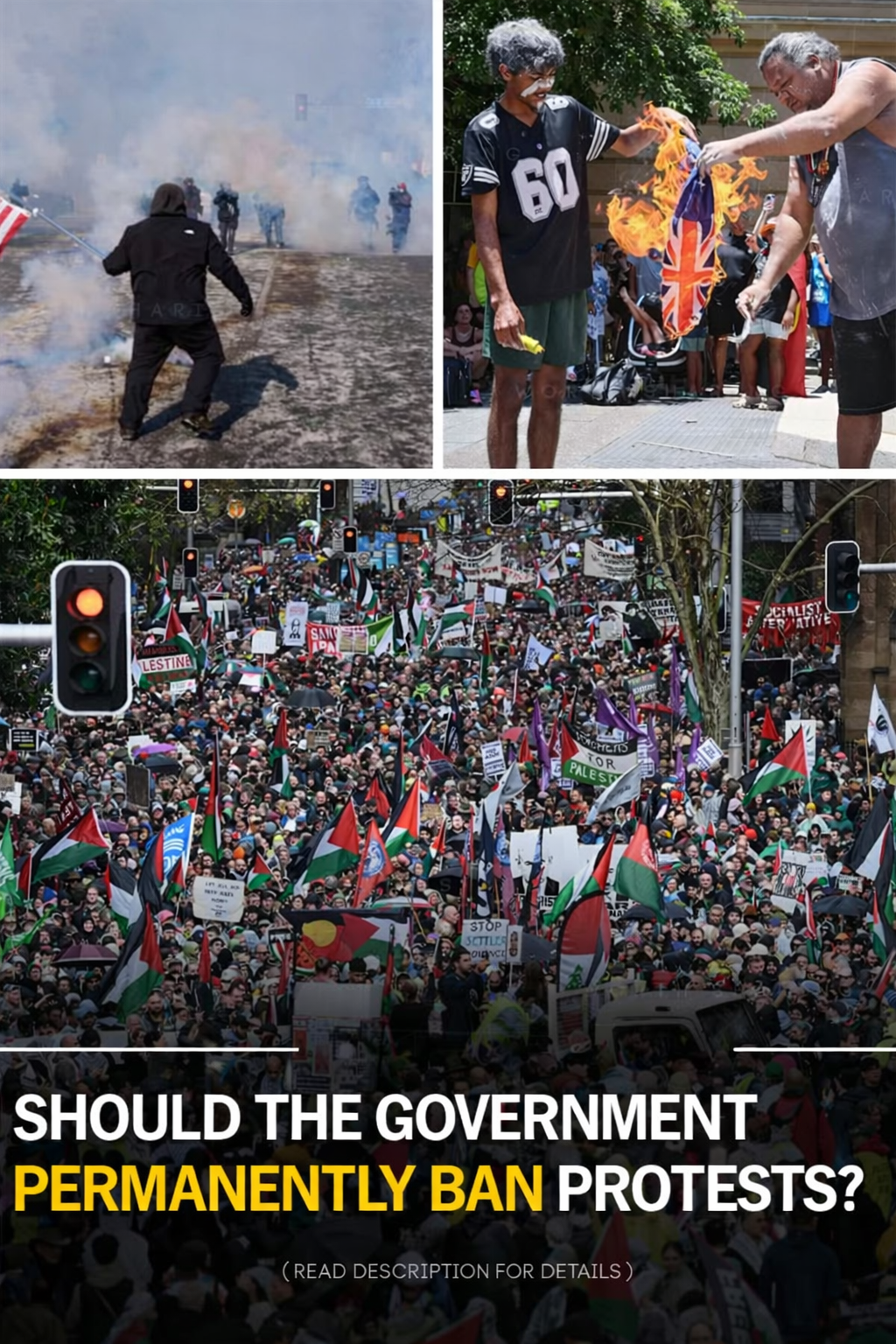
1. The Argument for Flexibility: Protest as a Necessary Disruption
Supporters of unrestricted or unpermitted marches argue that the very point of a protest is to be disruptive. If a protest is relegated to a quiet park where no one sees it, they argue it loses its power to effect change.
-
Urgency of the Cause: Proponents suggest that permitted marches often take months to organize, whereas many modern issues (like police incidents or sudden policy changes) require immediate reaction.
-
Civil Disobedience Tradition: History shows that many landmark movements—from Women’s Suffrage to the Civil Rights Movement—involved “unlawful” acts like blocking bridges or marching without permits to force a conversation.
-
The “Safety Valve” Theory: Allowing people to march, even without a permit, acts as a release for societal tension. Strict enforcement can sometimes escalate a peaceful crowd into a confrontational one.
2. The Argument for Strict Enforcement: Public Order and Safety
Critics of unpermitted marches emphasize that laws regarding permits are not designed to “silence” voices, but to manage the logistics of a shared space.
-
Emergency Services: Blocking major roads can delay ambulances, fire trucks, and police responding to unrelated emergencies. One blocked intersection could be the difference between life and death for someone blocks away.
-
Predictability: Permits allow cities to reroute traffic, provide sanitation, and ensure enough police are present to protect the protesters themselves from counter-protesters or traffic accidents.
-
The Rights of Others: Critics argue that the right to protest does not grant the right to infringe on others’ freedom of movement or their ability to get to work and support their families.

3. The Legal and Democratic Balancing Act
Most modern democracies follow the principle of “Time, Place, and Manner” restrictions. This means the government can’t stop you from protesting because of what you are saying, but they can regulate how and where you say it.
Key Questions for Authorities:
-
Is the restriction Content-Neutral? (Are they treating a labor march the same as a political march?)
-
Is there a “Significant Government Interest”? (Is the road being blocked a major artery to a hospital?)
-
Are there “Ample Alternative Channels”? (If they can’t march on the highway, can they still be seen and heard on the sidewalk or in a nearby square?)
The Role of Modern Technology
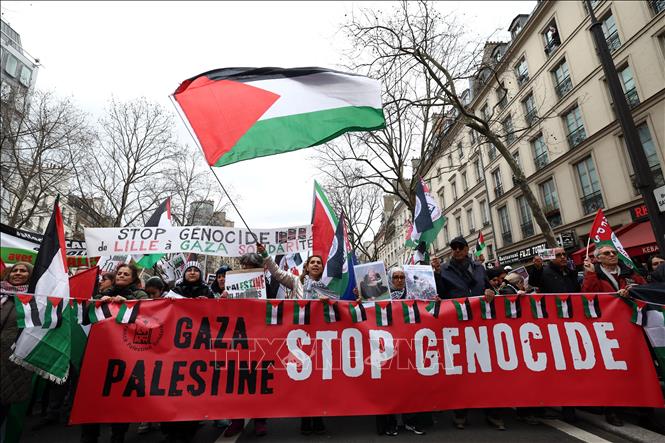
In the digital age, protests can be organized in minutes via social media, often outpacing the ability of city councils to grant permits. This has led some cities to adopt “Tactical Flexibility,” where police monitor unpermitted marches from a distance, blocking traffic ahead of the crowd to ensure safety without formally “authorizing” the event.
However, as urban centers become more crowded, the “grace period” for these disruptions is shrinking in many jurisdictions, leading to the strict legislative shifts seen in recent years.