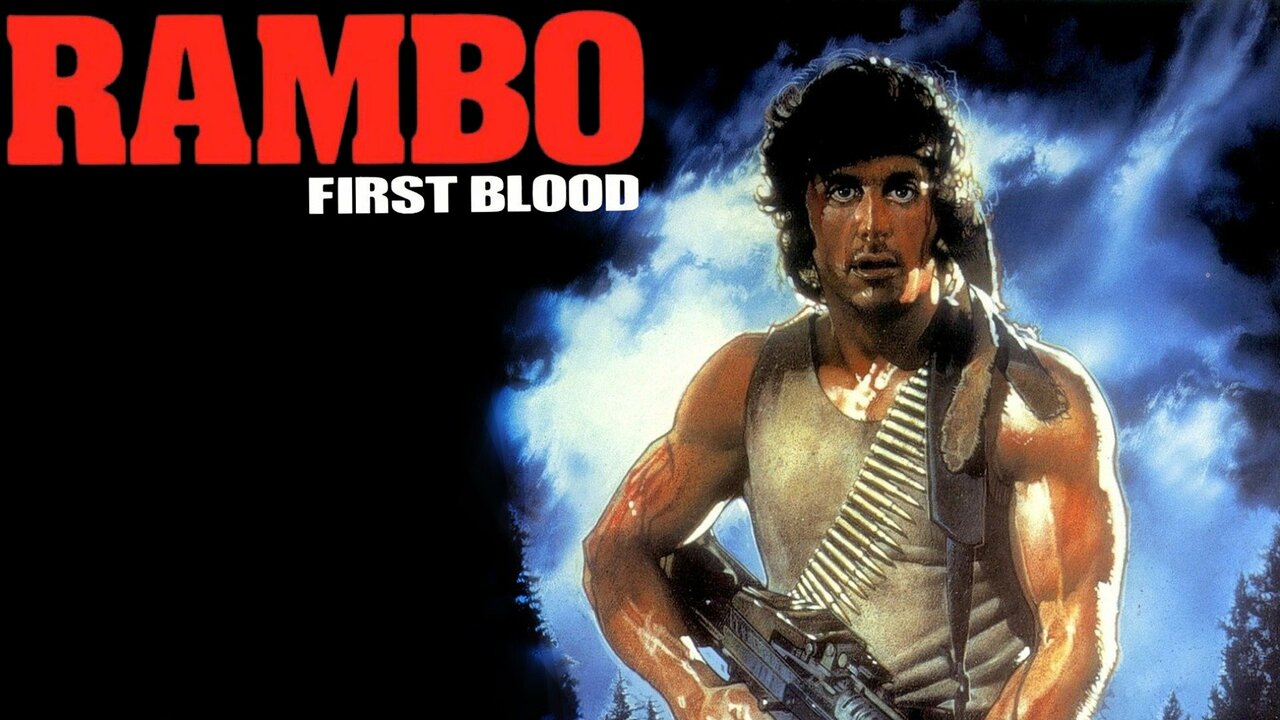
October 22, 1982—Sylvester Stallone didn’t just create an action hero; he birthed a ghost that still haunts America.
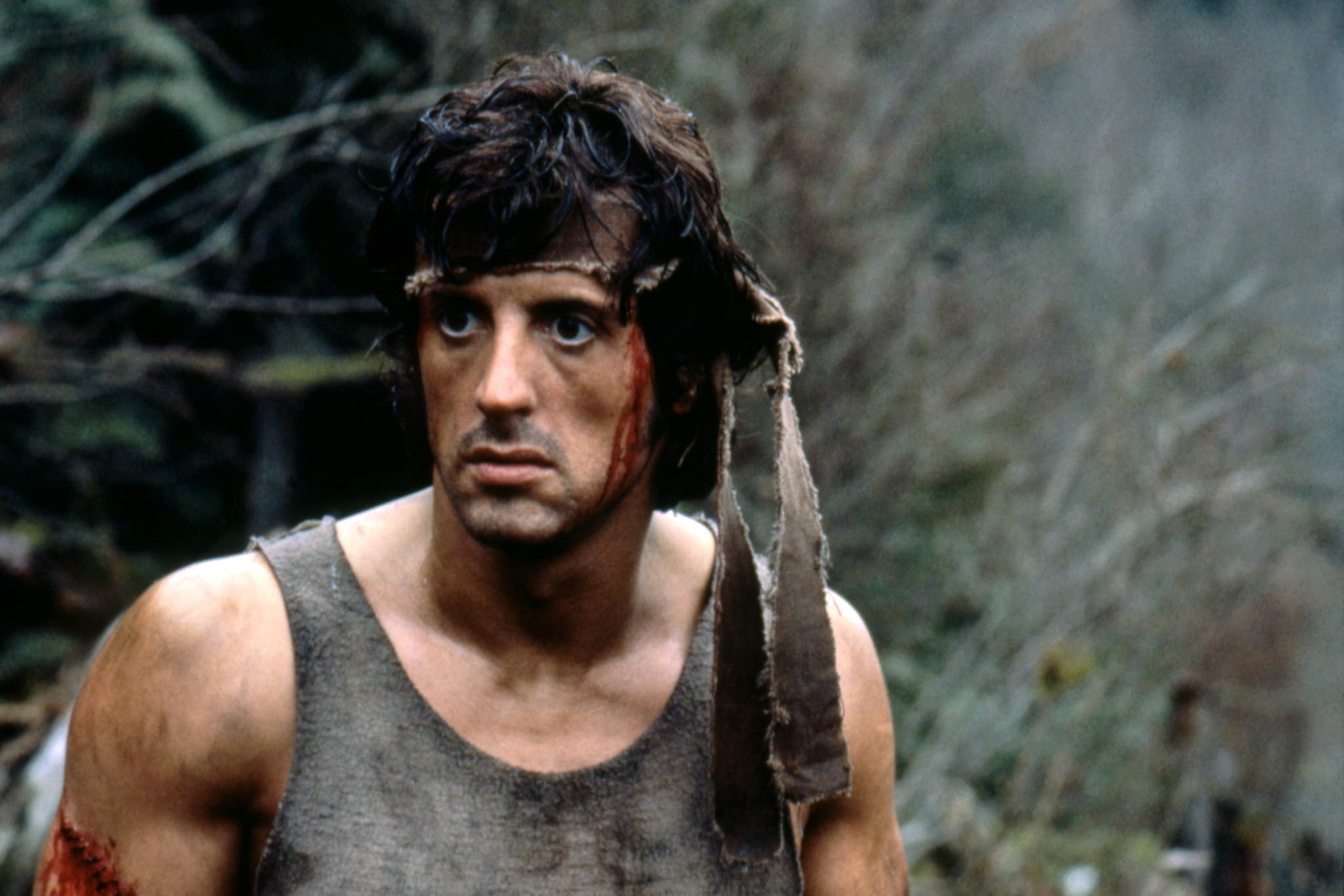
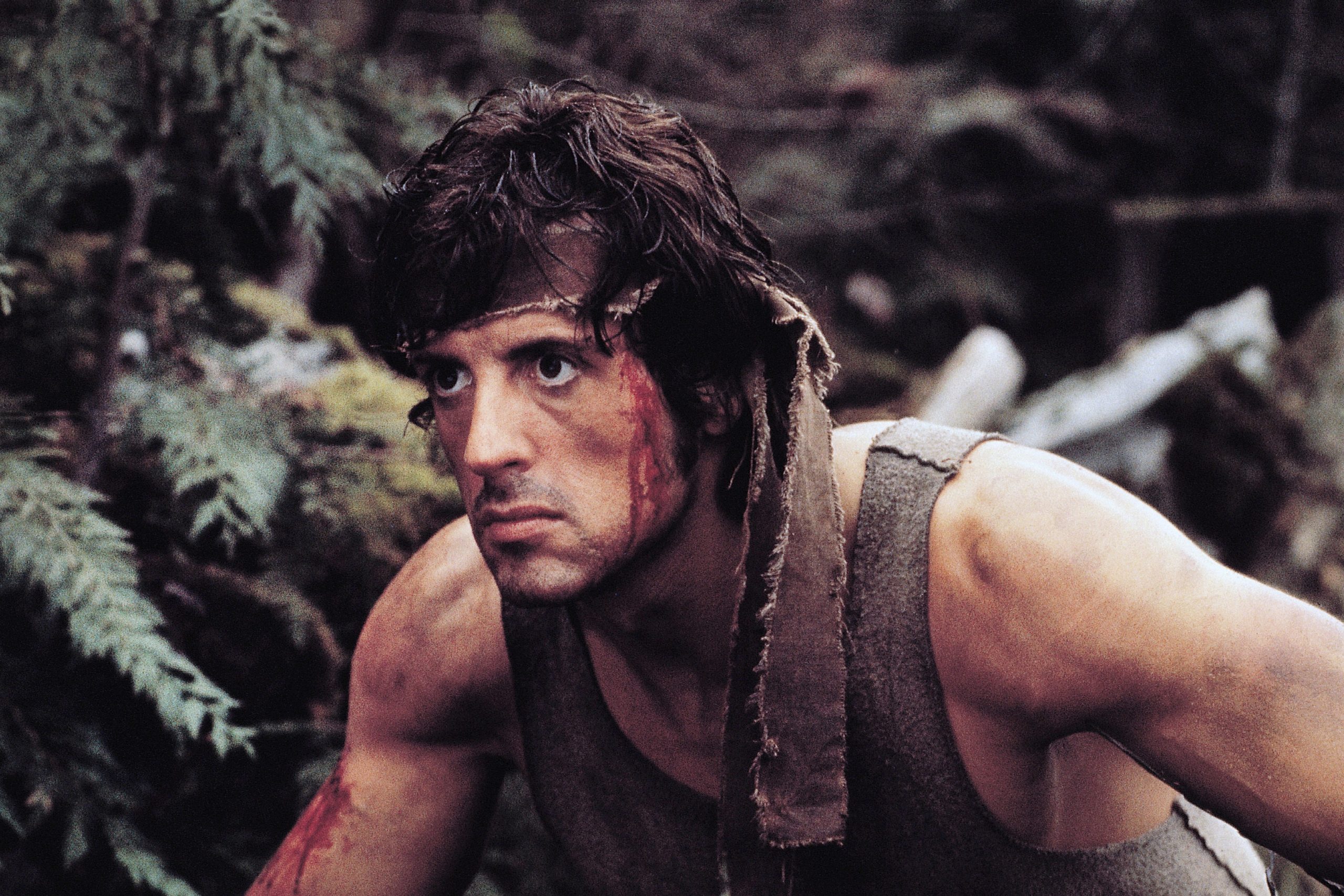
American actor Sylvester Stallone plays Rambo on the set of First Blood based on the novel by Canadian David Morrell and directed by Ted Kotcheff. (Photo by Sunset Boulevard/Corbis via Getty Images)
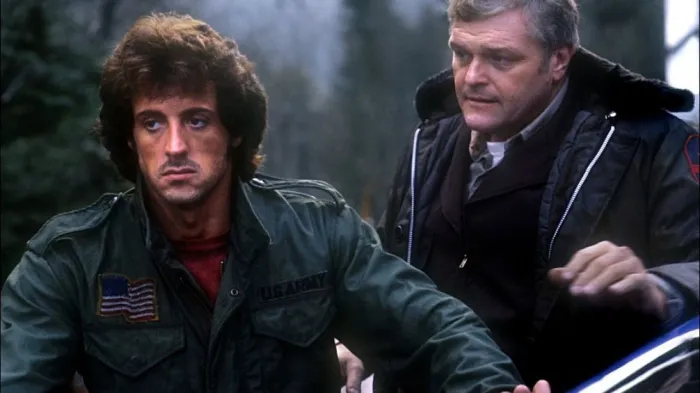
John Rambo walks into Hope, Washington, like a storm no one saw coming: hollow eyes, quiet voice, carrying Vietnam in his bones. He just wants to eat and move on. Small-town sheriff Teasle (Brian Dennehy, perfect bully in a badge) decides to push. One drifter, one arrest, one escape—and suddenly the Pacific Northwest becomes a war zone again.
Ted Kotcheff directs like a sniper: no excess, every shot deliberate. The forest turns into Rambo’s jungle—booby traps from muscle memory, a rat-infested mine crawling with flashbacks, survival carved from pain. Stallone co-wrote it, stripping the novel’s darker suicide ending but keeping the soul: a man broken not by war, but by the country that sent him there and forgot how to welcome him home.
Richard Crenna’s Colonel Trautman is the voice of reason—and regret—trying to warn them they’ve unleashed something they can’t control. That final monologue in the sheriff’s office? Stallone raw, tears cutting through dirt and blood, whispering “Sir, do we get to win this time?” It’s not action. It’s confession.
$160M worldwide. First Hollywood blockbuster released in China. Cultural detonation that turned “Rambo” into shorthand for one man against the world.
43 years later, it’s still not just a movie. It’s a wound we keep picking at.